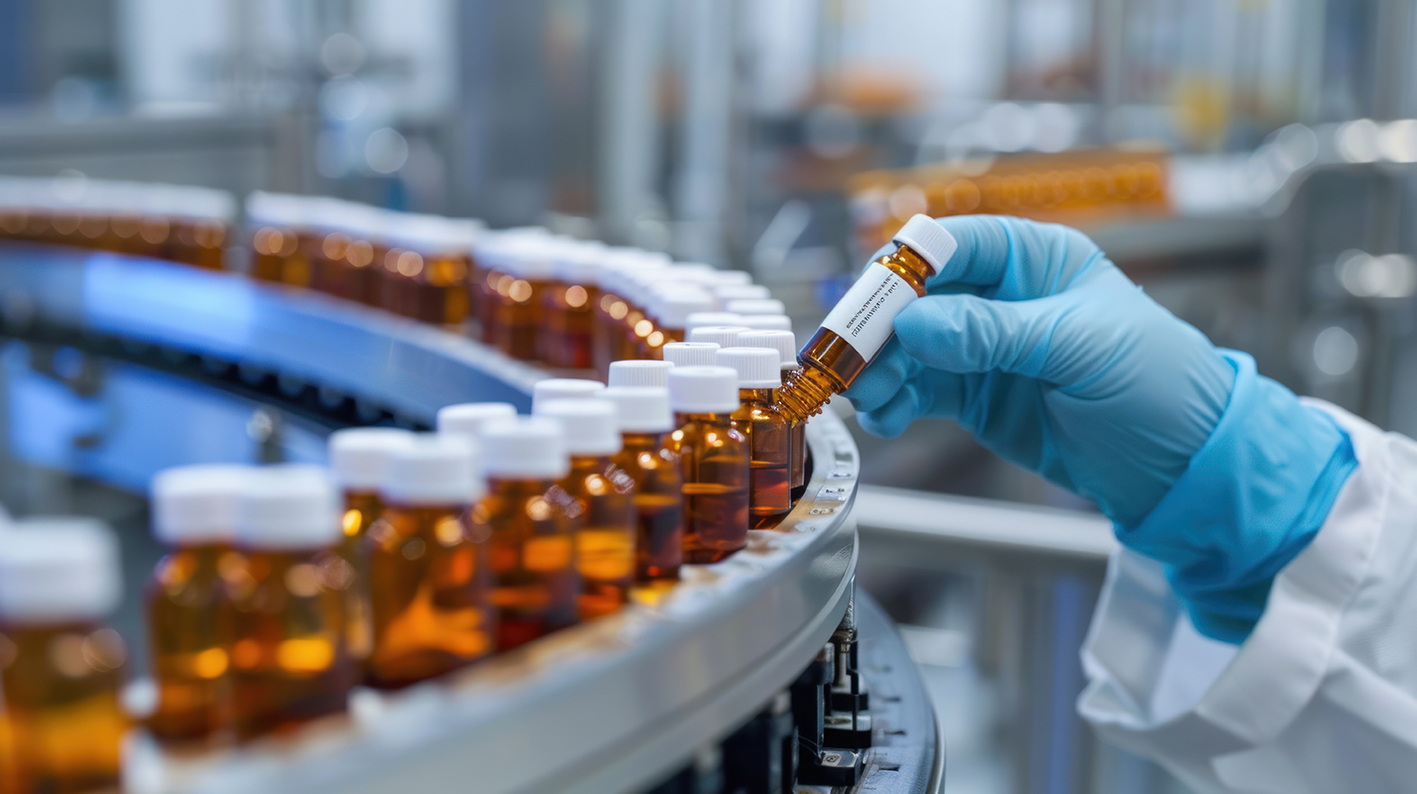
The need for sustainability in pharmaceutical manufacturing
Residues of pharmaceutical products can enter the environment during the manufacturing process, during usage, and disposal. With the growing trend in sustainable practices, the translation of transforming traditional pharmaceutical manufacturing may be critical for the environment.1
Global and regulatory pressures for sustainable practices have led to the European Union producing a strategic approach to address pharmaceuticals in the environment, with aims to work towards a sustainable Europe by 2030, which is also guided by the Sustainable Development Goals. This is due to the environmental burden produced by concentrations of pharmaceuticals in the environment, with residues of many pharmaceuticals being found in various locations, including ground waters, soil, animal tissues, and even drinking water.1
Innovative approaches to sustainable manufacturing
The main objectives of the EU's strategic approach include addressing potential risks from pharmaceutical residues in the environment, which can also contribute to antimicrobial resistance; encouraging innovation to address these concerns; and recycling resources such as water, sewage sludge, and manure while still maintaining access to safe and effective pharmaceutical treatments.1
Green chemistry techniques utilize preferably renewable resources, removing waste and avoiding the use of toxic reagents and solvents in the manufacturing process and application of chemical products.2